Some people come to emotional tools through psychology. Ana Adad came to them through 27 years of leading teams.
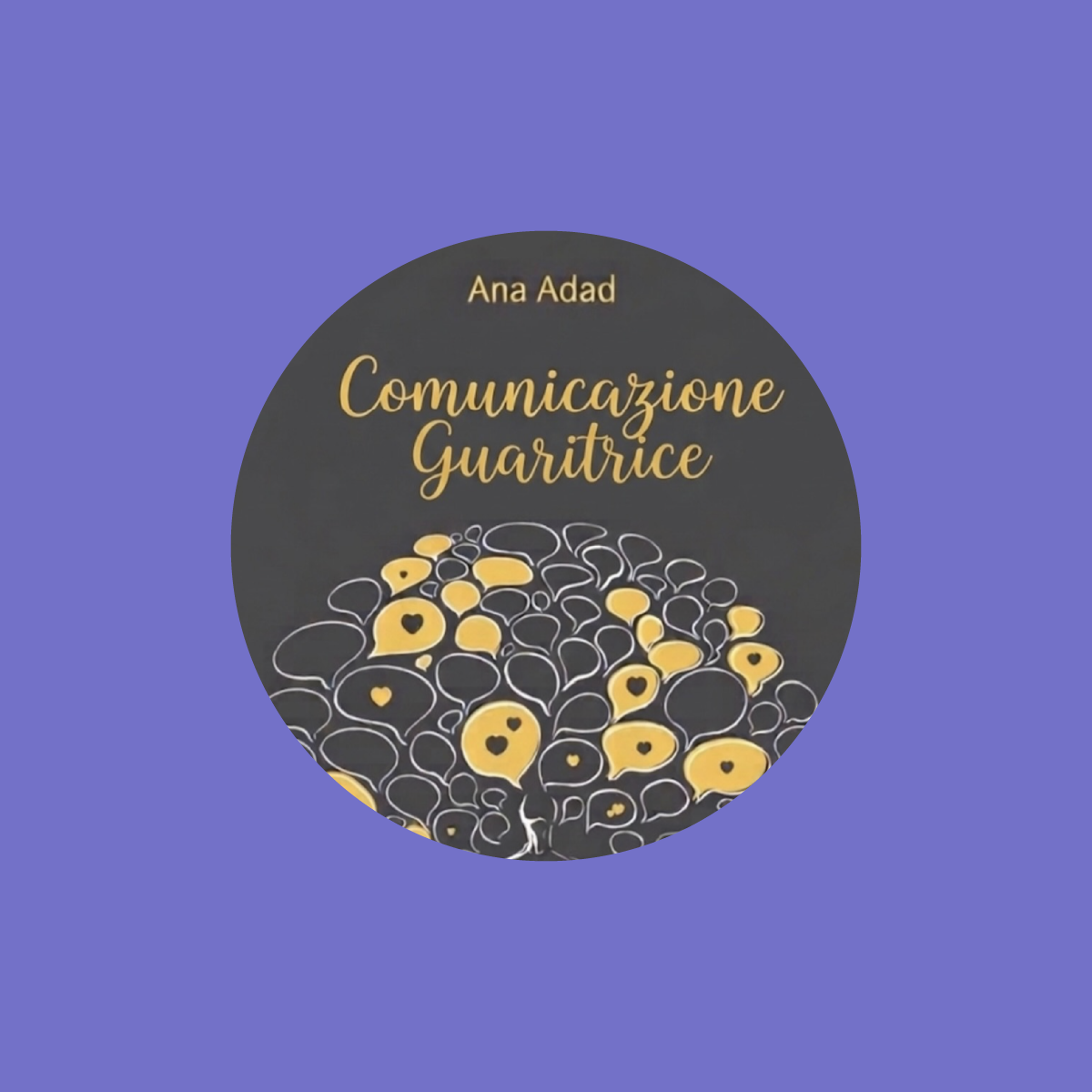
Ana is a communications and marketing leader from Curitiba, Paraná, in Brazil. For nearly three decades she ran communication and marketing for national and multinational brands. Today her work centers on a single idea — what she calls comunicação curativa, healing communication — and the book she's written under that name.
"I'm not trained as a therapist or a psychologist," she says. "My experience is as a leader in companies, and as a mother raising two teenagers." That's the ground she works from. Her workshops and talks come out of years spent leading teams, not out of a clinical framework — and that's exactly what makes her perspective useful. She's talking to the room she knows: the workplace, where emotion is present whether or not anyone names it.
Why she went looking for a tool
Ana's book is about strengthening authentic communication through emotional management. Its premise is that honest conversation starts with working through what you feel first — and that people, especially at work, rarely have permission or language to do that.
That's the gap that sent her looking. "We need more and more resources to talk about emotions — in the workplace, in schools, in families," she says. The demand is real and the tools are few. Most professional settings still treat emotion as something to manage around rather than name directly.
FeelWise fit the need. "Tina's FeelWise tool is perfect because it's playful, it has images, they're colorful, it's very self-explanatory and very easy to work with." In her hands the cards become a shared visual language — a way for people to spot a feeling and point to it before they try to explain themselves. The playfulness matters more than it looks: it lowers the guard adults bring to emotion at work. A colorful character is easier to point at than a confession is to make.
"The tool will greatly enrich my workshops," she says, "and the presence of emotions in the theme of my work."
Where the idea comes from
Ana's conviction about healing communication is hard-earned. She has spoken publicly about facing breast cancer treatment, and about what that taught her: that silence isn't strength, it's isolation, and that when we communicate we aren't only expressing ourselves — we're part of our own healing, and the healing of the people around us. In October 2025 she brought that message to a special session of the Paraná Legislative Assembly for Breast Cancer Awareness Month.
It's a serious foundation for a body of work that stays warm and practical. Ana isn't asking workplaces to become therapy rooms. She's asking them to get better at the ordinary, difficult act of saying what's actually going on — and giving people tools that make it easier to start.
That's why FeelWise and healing communication sit together well. Both begin in the same place: you have to be able to name a feeling before you can work with it. Ana teaches the naming as a leadership skill. The cards give her something people can hold while they learn it.
Learn more about Ana's work: Ana Adad writes and speaks on Comunicação Curativa (Healing Communication). Find her on LinkedIn.
Share:
Emotional Maths meets FeelWise: a shared vocabulary for the workplace
Emotions as advocacy: Alison Jones on FeelWise at Legacy Bridges Foundation